
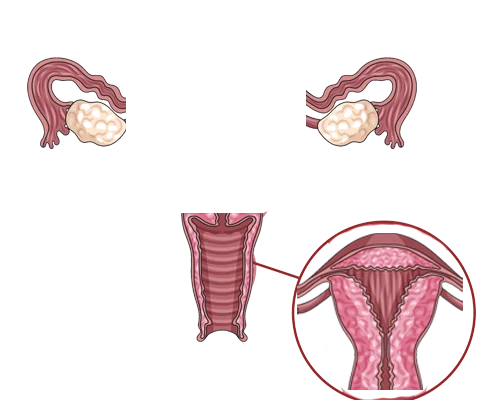
A hysterectomy is a surgical procedure to remove the uterus when conservative treatments are no longer effective. Dr. Chandan Dubey recommends hysterectomy only after thorough evaluation and counselling. It is commonly performed for conditions like fibroids, severe bleeding, chronic pelvic pain, endometriosis, or gynaecological cancers. The procedure may involve removal of the uterus alone or along with the cervix and ovaries, depending on the condition. Minimally invasive techniques help reduce pain and recovery time. The surgery is planned carefully after detailed investigations. Patients receive clear guidance before and after surgery. Hospital stay is usually short with proper post-operative care. Recovery is gradual and monitored closely. Most women experience significant relief from long-standing symptoms. Emotional and hormonal concerns are addressed sensitively. Follow-up visits ensure complete healing. The procedure significantly improves quality of life. Patient safety and comfort remain the top priority throughout treatment.
Q1. Will periods continue after hysterectomy?
No, menstruation stops after removal of the uterus.
Q2. Is hysterectomy a safe procedure?
Yes, it is safe when performed by an experienced gynaecologist.
Q3. How long does recovery take?
Recovery usually takes 4–6 weeks, depending on the surgical approach.
Q4. Will hysterectomy affect hormones?
Hormonal changes occur only if the ovaries are removed.


Write a Reply or Comment